
Background / Problem
Operational teams often rely on dashboards and spreadsheets to track what has already happened. These tools are useful, but they rarely help teams explore what might happen next.
The idea behind Supplie was to explore whether AI models could help surface useful signals from messy operational data and support planning decisions rather than just reporting.
The focus is not automation. The focus is helping humans understand complex systems faster.
Approach
I started by looking at how operational teams actually make decisions. A lot of the work happens in spreadsheets, Slack threads and meetings where people are trying to interpret partial information.
From there I explored a few directions:
- identifying signals that matter in supply chains and logistics
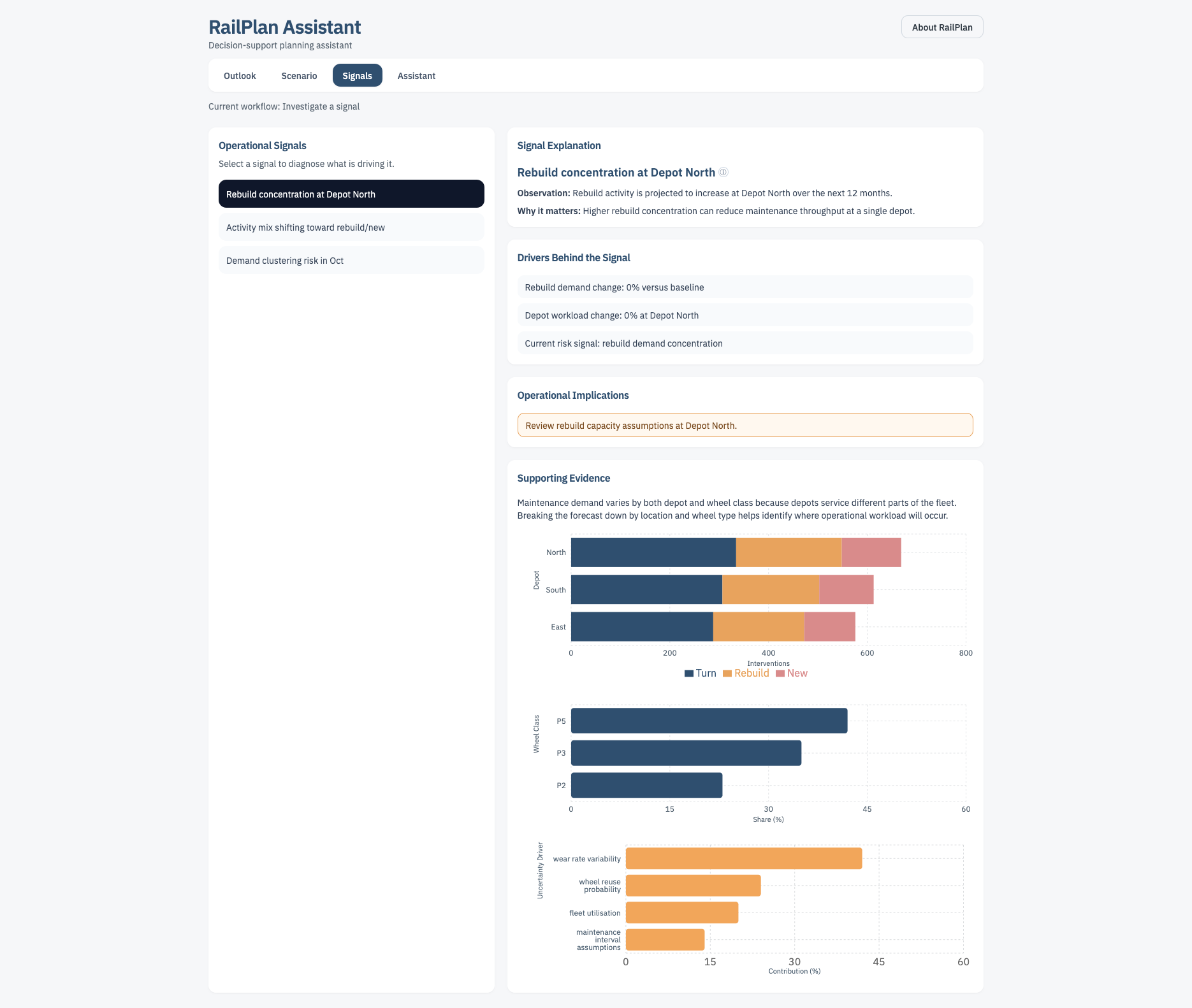
- experimenting with ways AI models could surface patterns or anomalies
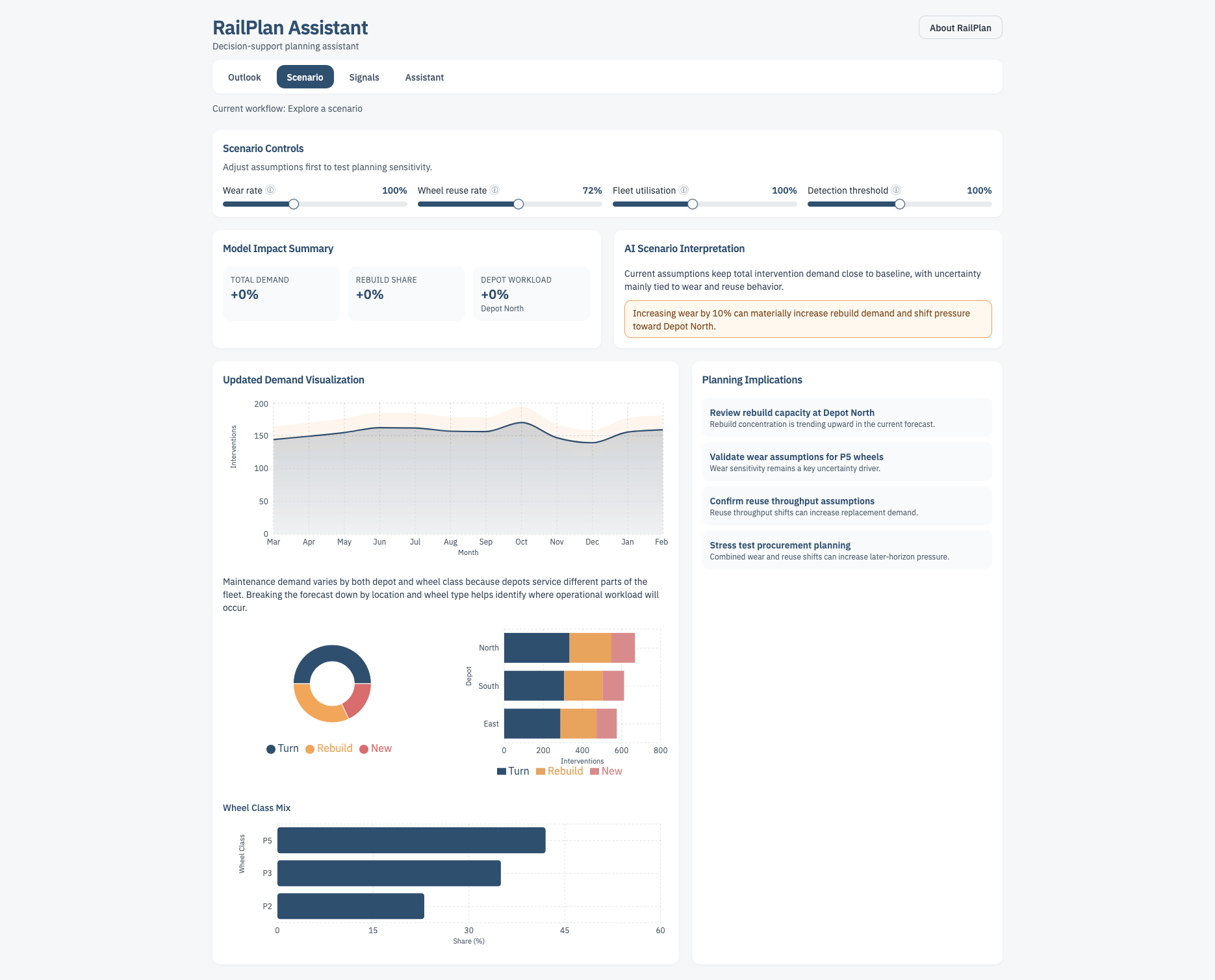
- prototyping interfaces where teams could explore scenarios rather than just viewing reports
- exploring simulation-style approaches to planning
Most of the work so far has been early exploration and prototyping rather than a production system.
Working prototype
This came out of a couple of emails discussing a planning problem.
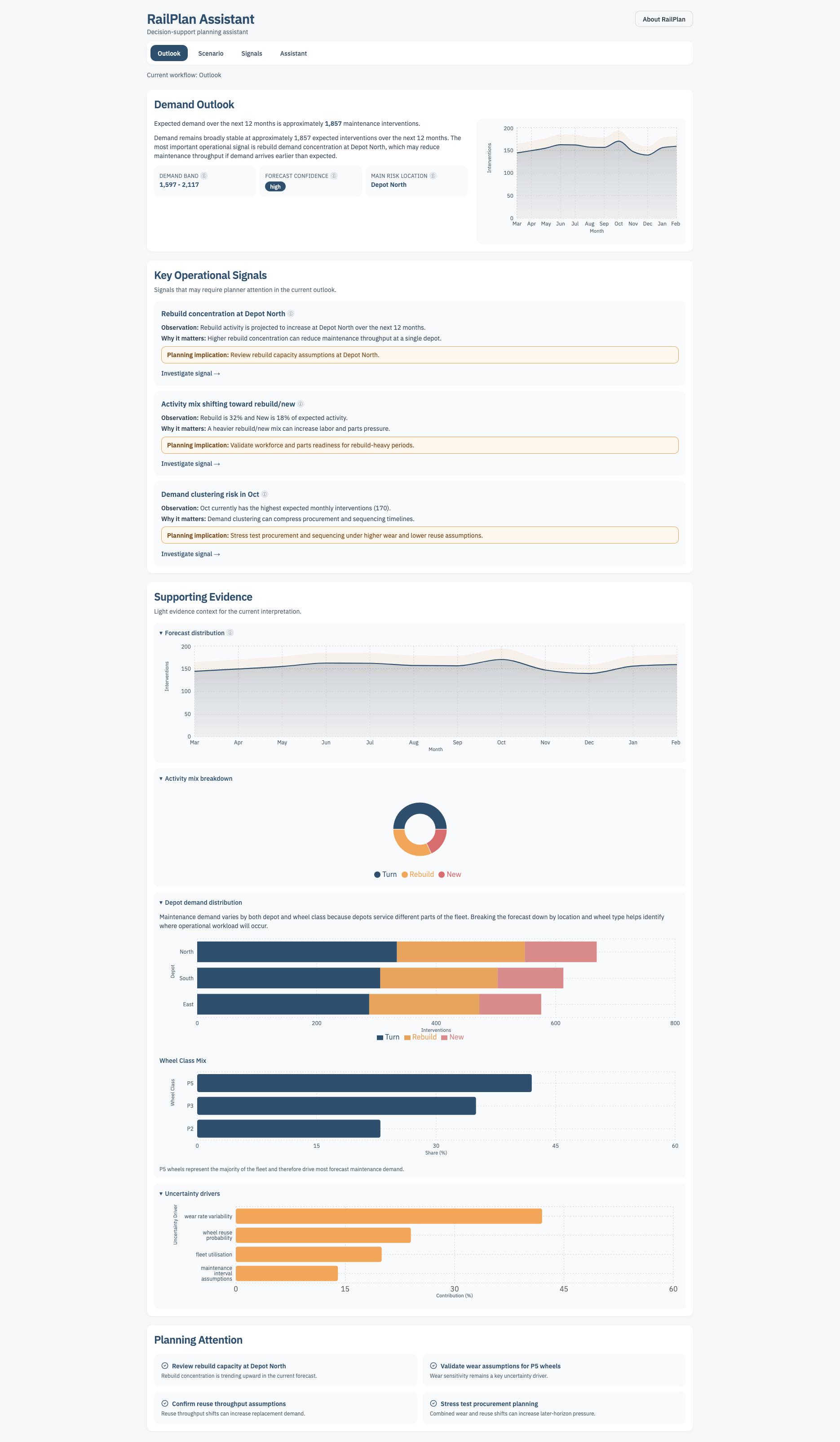
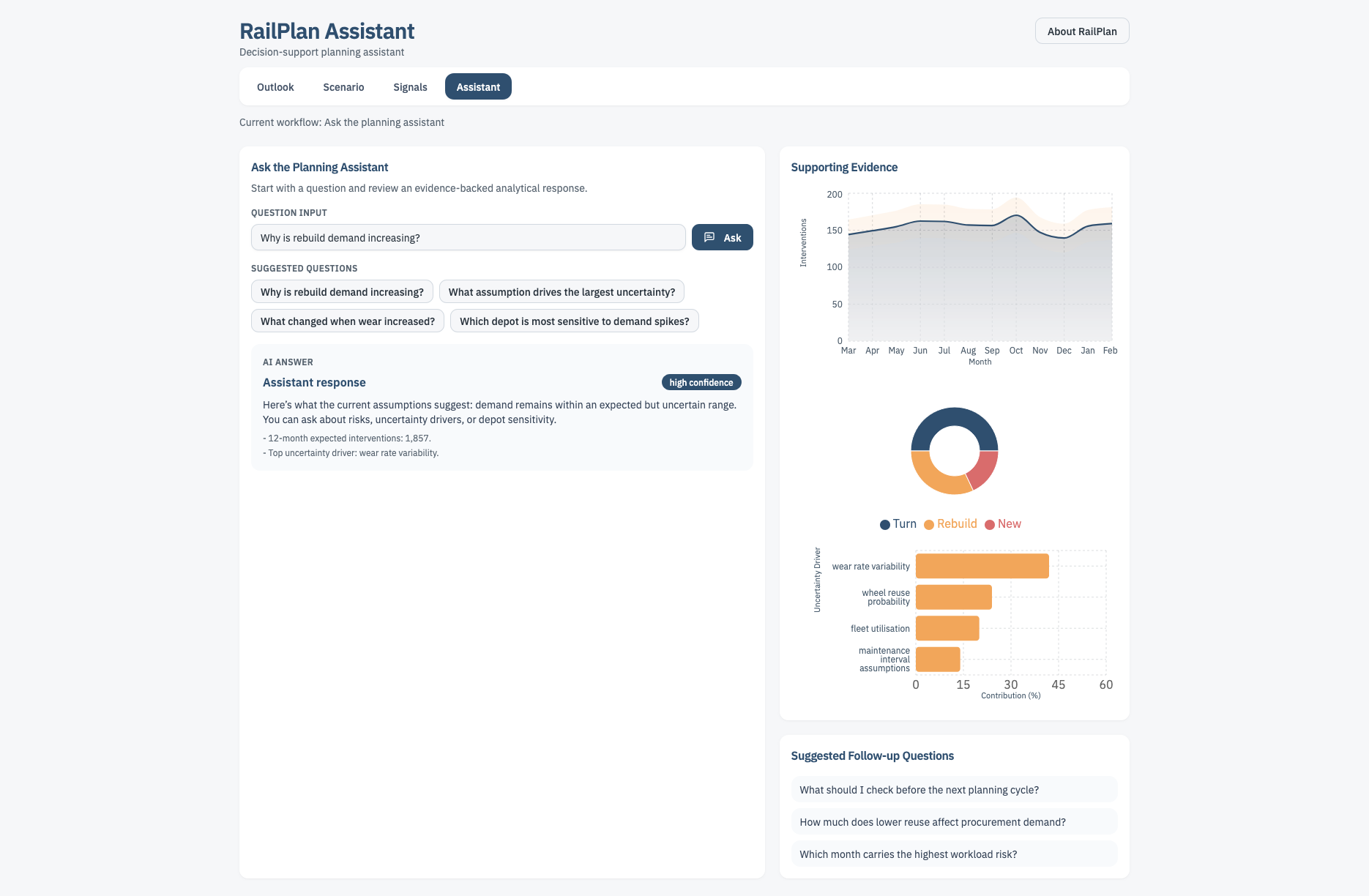
Rather than trying to explain the idea in words, I built a simple working prototype within a few hours to sanity check how it might behave.
Sharing something real made it much easier to align on what was useful, what didn’t make sense, and where the idea could go next.
Outcome / What I learned
A few interesting themes came out of the exploration.
- Operational data is messy. Real-world systems rarely have clean inputs.
- AI is most useful when it helps people reason about decisions rather than when it tries to replace the decision entirely.
- The most interesting opportunity may be helping teams explore scenarios rather than generating answers.
My role
- Concept exploration
- Product design
- AI experimentation and prototyping
- Research into operational decision workflows